The Metal DNA in Grunge
The metal influence on grunge gave the genre its weight — Sabbath riffs, downtuned heaviness, and Zeppelin ambition channeled through a punk filter.
Punk gave grunge its attitude, but metal gave it its body. The metal influence on grunge is the reason these records hit you in the chest — the downtuned riffs, the sludgy low end, the sheer mass of the guitar sound. Every grunge kid who grew up worshipping Black Sabbath records before punk rearranged their priorities brought that heaviness with them. The result was a music that could be as crushing as metal while refusing almost everything else about it.
Sabbath is the headwater
Start with the obvious one. Black Sabbath invented the vocabulary grunge would later borrow: slow, doom-laden riffs, detuned guitars, and a sense of dread that no amount of distortion could lift. Tony Iommi’s down-tuned, minor-key riffing is the genetic source code for a huge share of grunge’s heavy moments.
You can hear it most plainly in the bands that leaned darkest. The metal influence on grunge runs straight through Alice in Chains, whose Dirt (1992) is closer to a metal record than most fans admit, and through Soundgarden, who built whole songs around odd time signatures and monstrous riffs. For the full picture on Chris Cornell’s band, see our Soundgarden guide.
Alice in Chains is the clearest case study. Jerry Cantrell’s riffs are slow, detuned, and dripping with the kind of dread Iommi pioneered, and Layne Staley’s haunted harmonies pushed the band somewhere most of their Seattle peers never went. Plenty of metalheads who sneered at “grunge” made an exception for Dirt, precisely because its heaviness was the real thing rather than a borrowed pose.
Led Zeppelin’s ambition
If Sabbath supplied the weight, Led Zeppelin supplied the scope. Zeppelin’s dynamic range — the way a song could lurch from a whisper to a roar and back — taught grunge bands that heaviness could be dramatic, not just relentless.
Soundgarden in particular wore the Zeppelin influence openly, with Cornell’s wailing upper register and a rhythm section that could swing as well as pummel. That ambition separated the best grunge from simple sludge: these bands wanted dynamics, structure, and the occasional epic, all things Zeppelin had modeled a generation earlier. AllMusic and Rolling Stone have both traced this lineage at length, and it’s not subtle once you hear it.
There’s a heavier, weirder strain of metal in the mix too. The Melvins took Sabbath’s slowest tempos and stretched them into something almost sculptural, and their influence on the early Seattle bands — Cobain included — is impossible to overstate. They’re the bridge between underground metal and grunge, proof that you could be crushingly heavy without playing a single fast note. The doom and proto-sludge bands the Melvins drew from gave grunge a license to slow down and lean into sheer weight.
The metal influence on grunge in the tuning
The single most practical inheritance from metal is the tuning. Grunge bands routinely dropped their guitars below standard pitch to get a thicker, darker, more menacing sound.
- Drop D: the low E string dropped a whole step, enabling one-finger power chords and a heavier low end.
- Half-step down (Eb): a small drop that loosens the strings and fattens the tone.
- Lower still: some bands tuned down a full step or more for maximum sludge.
Slack strings, loud amps, and a fistful of distortion — that’s a recipe metal wrote and grunge adapted. Our look at sludge and stoner rock digs into the heaviest, most Sabbath-indebted corner of this family, where the metal influence is least diluted.
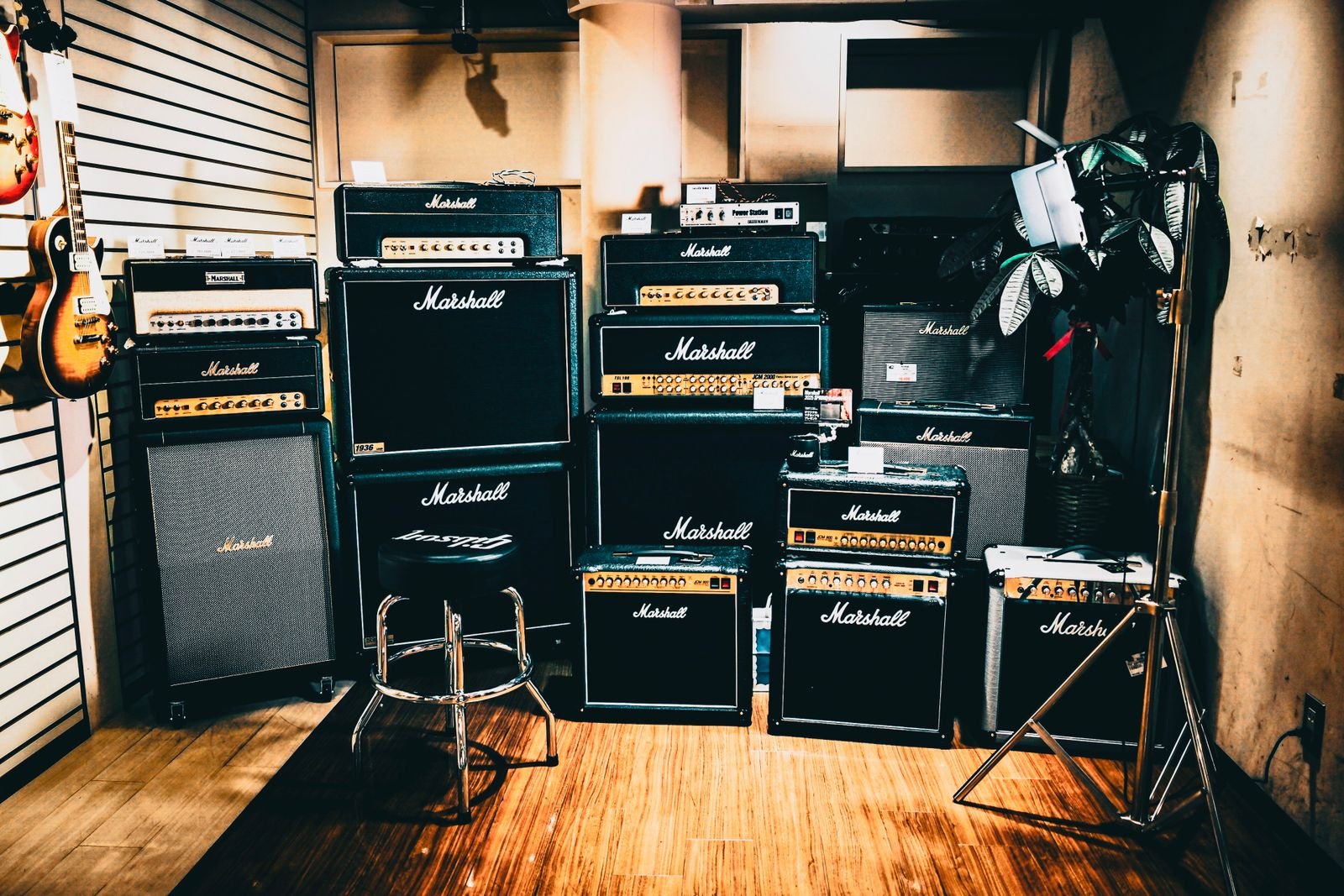
The amp choices reinforced it. Many grunge guitarists favored loud, high-gain rigs that could turn a downtuned chord into a physical event, the same gear philosophy that powered metal stages a decade earlier. The difference was restraint in how it was played, not in how it was set up. A grunge band might own the same wall of cabinets as a metal band and simply choose to use it for one devastating riff instead of a flurry of notes.

What grunge threw away
Here’s the twist: grunge took metal’s heaviness and pointedly rejected almost everything else about the genre. The punk filter mattered. Out went the flashy guitar solos, the fantasy lyrics, the spandex, and the technical showboating.
This is also why a lot of ’80s metal fans were initially suspicious of grunge. To them it looked like metal stripped of its craft and pageantry. But that misread the point. Grunge wasn’t trying to be worse metal; it was using metal’s tools for a completely different job. The heaviness was a means, not the message, and that reframing is what let a downtuned Sabbath-style riff carry a song about depression instead of dragons.
What survived was the raw physical force. A grunge band could deliver a riff as heavy as anything on a thrash metal record, then refuse to follow it with a two-minute shred solo. That tension — metal muscle, punk values — is the whole engine of the sound. The bands kept the parts of metal that felt honest and discarded the parts that felt like performance.
The lyrics moved in the same direction. Where metal often reached for fantasy, mythology, or spectacle, grunge pulled the subject matter inward — addiction, depression, alienation, the plain wreckage of ordinary life. The heaviness stayed, but it now served something confessional rather than escapist. That’s a big part of why grunge could borrow so much metal firepower and still feel like a different genre entirely: the weight pointed at the listener’s real life instead of away from it.
Heavy without being metal
| Element | Kept from metal | Dropped from metal |
|---|---|---|
| Downtuned riffs | Yes | — |
| Sludgy low end | Yes | — |
| Guitar heroics | — | Yes |
| Fantasy/escapist lyrics | — | Yes |
| Image and spectacle | — | Yes |
| Vocal power | Often | — |
The table makes the trade obvious. Grunge wanted the punch of metal without its theater. You can crate-dig the proof on Discogs, where the early catalogs of these bands sit one shelf over from the doom and thrash records that fed them, and outlets like Pitchfork have spent years untangling exactly where one ends and the other begins.
That borderland is where some of the most interesting music lives. Records that are too heavy to be straightforward alt-rock and too raw to be polished metal sit right on the seam, and grunge’s heaviest bands spent their best moments there. The metal community’s slow, grudging acceptance of acts like Alice in Chains and Soundgarden — both of which now turn up comfortably on metal playlists — is the clearest evidence that the influence was never one-way. Grunge took from metal and, in the end, gave a little back, widening what a heavy band was allowed to sound like.
The bottom line
The metal influence on grunge is the heaviness itself — the Sabbath riffs, the Zeppelin scope, the tuned-down menace that makes these records feel enormous. Filter all of that through punk’s distrust of polish and you get grunge: heavy without being metal, ambitious without being showy. To follow the thread into the genre’s darkest, most metal-adjacent territory, read our Soundgarden guide and dig into sludge and stoner rock.