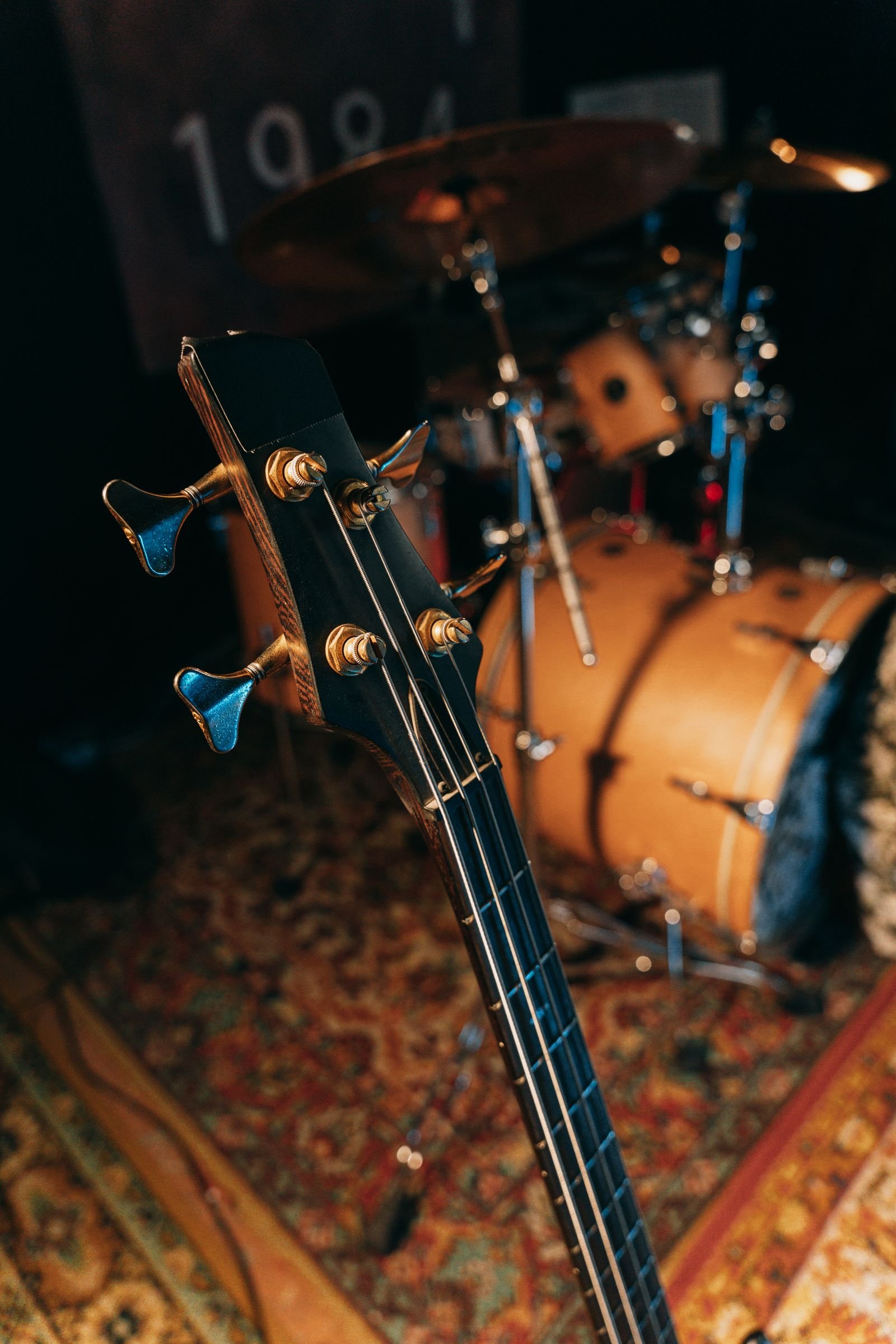
Mudhoney: The Godfathers of Grunge
A guide to Mudhoney, the Seattle band whose fuzz-soaked single Touch Me I'm Sick helped define grunge and the early Sub Pop sound.
If grunge has a founding band, a strong case says it’s Mudhoney. Formed in Seattle in 1988 from the ashes of Green River, Mudhoney distilled the genre down to its purest form: filthy fuzz tone, snotty punk attitude, and a refusal to take themselves too seriously. They never went platinum, but their fingerprints are all over the sound the world later called grunge.
How Mudhoney formed
The band came together when singer-guitarist Mark Arm and guitarist Steve Turner left Green River, the pioneering act whose other members went on to form Pearl Jam. Arm and Turner wanted something rawer and less careerist. They recruited bassist Matt Lukin, fresh out of the Melvins, and drummer Dan Peters, and by early 1988 Mudhoney was a band.
The lineup has barely changed in over three decades, with Guy Maddison taking over on bass in 2001. That stability is part of the story. While their peers chased fame, imploded, or burned out, Mudhoney kept showing up, kept touring, and kept making records that sounded like themselves. Their roots in Sub Pop’s early history run deeper than almost anyone’s.
The Green River connection is worth dwelling on, because it makes Mudhoney a kind of origin point for two very different bands. When Green River fractured in 1987, the split fell roughly along a fault line of intent. Stone Gossard and Jeff Ament wanted to chase a bigger, more polished rock sound and would eventually land in Pearl Jam, while Arm and Turner pulled toward something scrappier and more abrasive. Mudhoney was the result of that second impulse, and from the start the band defined itself by what it refused to do as much as by what it played.
Touch Me I’m Sick and the early singles
In August 1988, Mudhoney released “Touch Me I’m Sick,” a two-and-a-half-minute blast of distortion and bratty desperation that became the scene’s unofficial anthem. Backed by “Sweet Young Thing Ain’t Sweet No More,” the single arrived on Sub Pop and helped put both the band and the label on the map. It is one of the most important records grunge ever produced.
The follow-up EP, Superfuzz Bigmuff, named after two of the guitar pedals that created the band’s signature tone, cemented the formula. The record was a college-radio and UK favorite, and the British music press helped build early hype around Seattle through it. You can browse the original pressings and reissues on Discogs, and AllMusic treats the EP as an essential early-grunge document.
It’s hard to overstate how influential those early Sub Pop releases were as a template. The combination of cheap recording, deliberately grimy production, and short, hooky songs became the blueprint for an entire wave of bands. When the UK press flew over to cover the Seattle scene at the end of the 1980s, Mudhoney were often the band they wrote about first, and that early international attention helped turn a local curiosity into a movement with a name. The fuzz tone they popularized became so identified with the era that you can hear its descendants in countless records that followed.
The Mudhoney sound
Mudhoney’s tone is the genre in miniature. Arm and Turner built their attack on the Univox Super-Fuzz and the Electro-Harmonix Big Muff, stacking fuzz on fuzz until the guitars sounded like they were tearing apart. There was nothing polished about it, and that was the entire point.
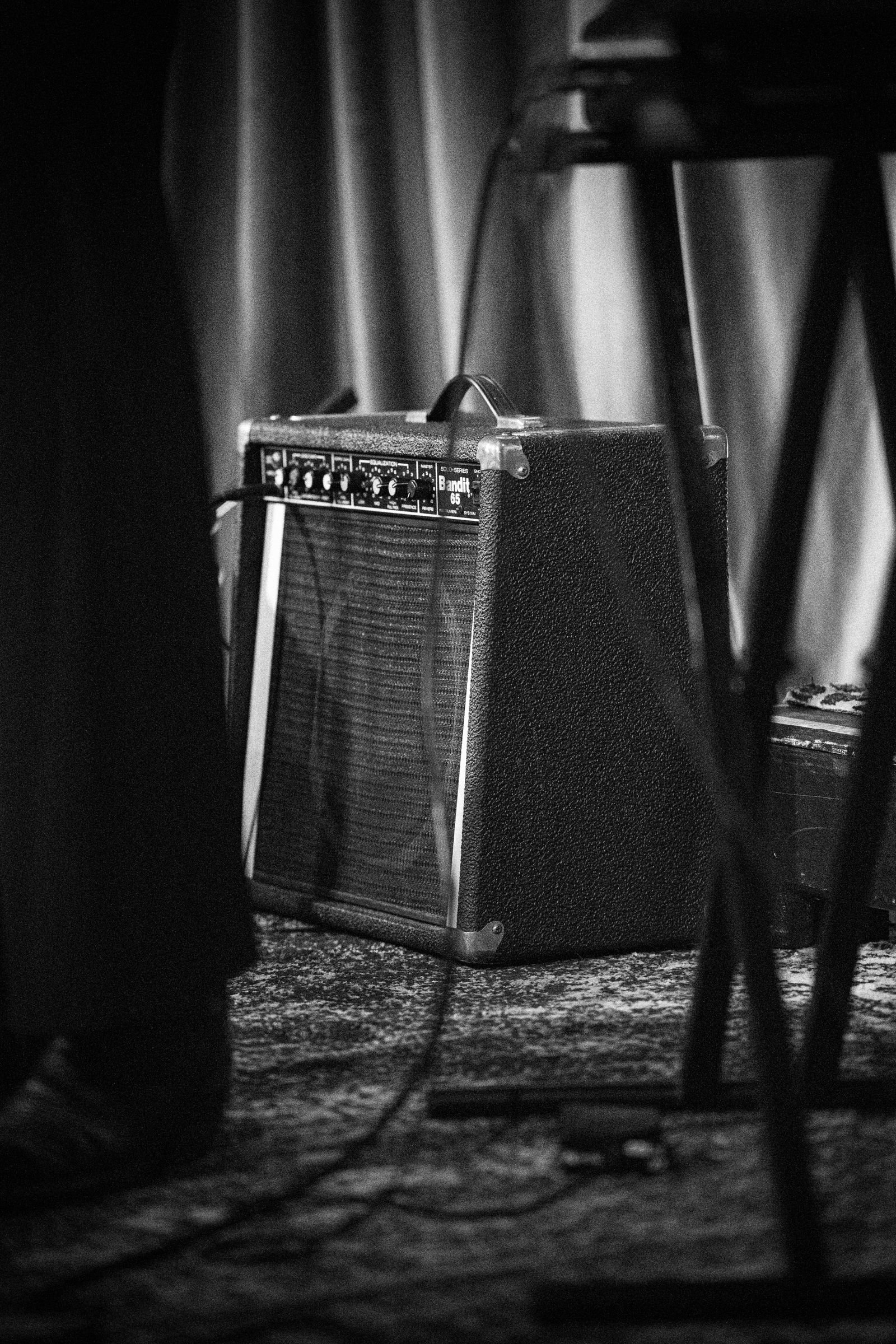
Underneath the noise sat real songcraft. The band drew on 1960s garage rock and proto-punk, especially the Stooges, the Sonics, and other Pacific Northwest forebears. Where some peers reached for arena melodrama, Mudhoney kept things short, fast, and funny. Their songs are sneering and self-aware, which kept them from ever becoming the kind of solemn rock band they were happy to mock.
Mark Arm’s vocals are central to that identity. He sings like a man who finds the whole rock-star business slightly ridiculous, all yelps, sneers, and feigned exhaustion, and that comic distance is a big reason the band never curdled into self-importance. Steve Turner, meanwhile, is one of the unsung guitarists of the era, more interested in feel and grime than in technical flash. Together they made imperfection sound like a deliberate aesthetic choice, which of course it was.
Why they’re called godfathers
Calling Mudhoney “the godfathers of grunge” is partly about timing and partly about influence. Consider what they did first:
- They helped launch Sub Pop as a serious label, giving the imprint its breakout single.
- They modeled the fuzz-drenched, downtuned guitar sound that defined the early scene.
- They proved a band could stay independent and survive the gold rush around them.
- They directly influenced Nirvana, who covered their material and shared stages and a label.
Kurt Cobain repeatedly named Mudhoney as a favorite, and the two bands grew up side by side in the same small Seattle ecosystem. When the major labels descended in the early 1990s, Mudhoney briefly signed to Reprise but later returned to Sub Pop, where they remain. That loyalty says a lot about who they are.
The albums worth knowing
Mudhoney’s catalog rewards digging. A few signposts for newcomers:
| Album | Year | Why it matters |
|---|---|---|
| Superfuzz Bigmuff | 1988 | The EP that named a tone and launched the band |
| Mudhoney | 1989 | Their scrappy, confident debut full-length |
| Every Good Boy Deserves Fudge | 1991 | Looser, organ-tinged, and arguably their best |
| My Brother the Cow | 1995 | A harder, angrier major-label peak |
| Digital Garbage | 2018 | Proof the band still has bite and something to say |
Rolling Stone and other outlets have spent years arguing that Mudhoney never got their commercial due, and the catalog backs that up. They’re a cornerstone act in any conversation about underrated grunge bands.
Survival as a statement
There is something quietly radical about Mudhoney’s longevity. The standard grunge narrative is one of meteoric rise and tragic collapse, of bands undone by fame, addiction, and the weight of expectation. Mudhoney sidestepped all of it, mostly because they never got famous enough to be destroyed by it. They kept their day-job pragmatism, stayed on a label they trusted, and treated the band as a thing worth doing for its own sake.
That choice looks wiser with every passing year. While the era’s biggest names became frozen in amber, Mudhoney kept evolving in small ways, and their live shows remain ferocious. The band has become a living archive of the early scene, the act you can still see playing the songs that helped start it all. In a genre defined partly by loss, their persistence is its own kind of triumph.
The bottom line
Mudhoney is the band that proves grunge was never really about fame. They got there first, made some of the genre’s most essential noise, and then simply kept being a great rock band long after the cameras left. The flannel and the platinum records were always a sideshow. The real heart of the movement was a few friends making loud, ugly, joyful noise because they couldn’t imagine doing anything else, and no band embodies that better than this one.
If you want to understand where the sound actually came from, start with “Touch Me I’m Sick” and follow the fuzz. Then play Superfuzz Bigmuff loud and let the tone do the talking. From there, our Sub Pop history fills in the label that made it all possible, and the wider world of underrated grunge bands opens up from there.